The Olympic Games capture the imagination of millions around the globe. While sprinters and gymnasts claim the spotlight for explosive power, endurance athletes command our respect through sheer willpower. The Olympic marathon and the Olympic triathlon stand as the ultimate tests of physical and mental stamina. Both disciplines push competitors to the edge, but they demand vastly different strategies, physiologies, and preparation methods.
The anatomy of an Olympic marathon
Running 42.195 kilometers at an elite racing pace requires a specialized biological profile. Long-distance runners rely heavily on skeletal muscle adaptations to meet soaring oxygen demands during maximal exercise. Every stride is a delicate balance of biomechanical efficiency and cardiovascular output.
Physiology and pacing
Marathoners must maximize their aerobic capacity while keeping lactate accumulation at bay. Elite competitors run at speeds that would leave most people breathless within minutes. They sustain this effort for over two hours through strict pacing. Going out too fast in the opening kilometers guarantees a devastating slowdown in the final phase of the race.
Fueling the engine
Energy management dictates success on the marathon course. The human body stores a limited amount of glycogen in the liver and muscles. Once those stores run out, athletes hit the dreaded wall. Training teaches the metabolism to burn fat more efficiently, sparing precious carbohydrates for the final surge toward the finish line.
The multi-sport beast of the Olympic triathlon
While the marathon tests a single movement pattern, the Olympic triathlon demands versatility. Competitors swim 1.5 kilometers in open water, cycle 40 kilometers on a road bike, and finish with a 10-kilometer run.
Transitioning between disciplines
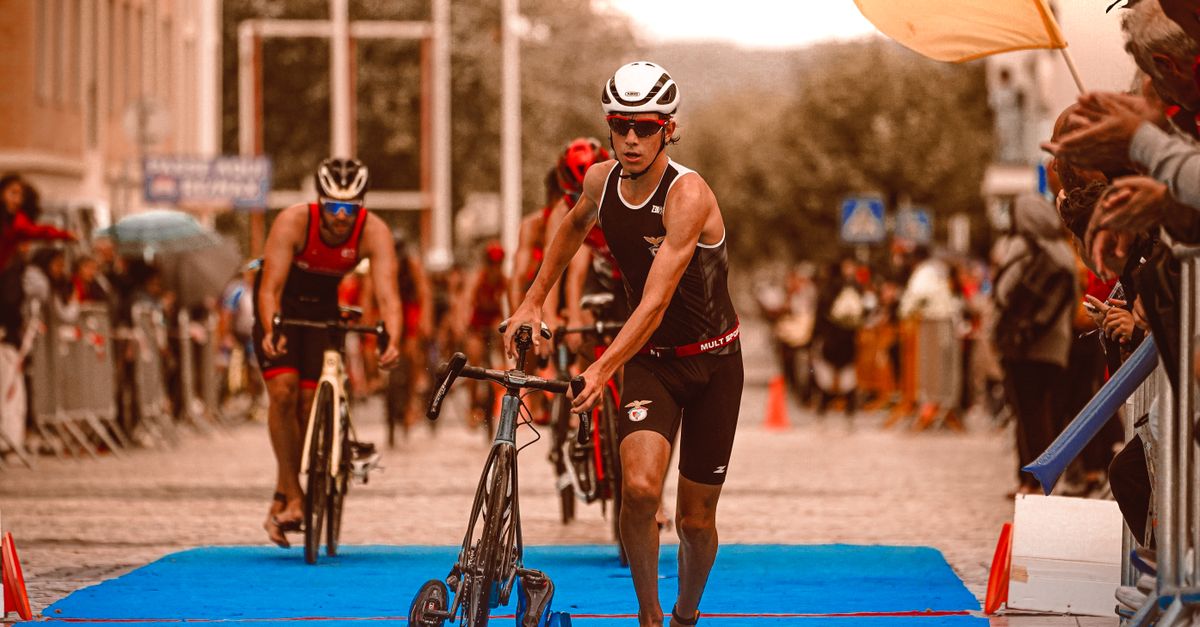
The physical toll of shifting from a horizontal swim to a vertical run is immense. Blood must redistribute rapidly from the upper body to the legs. Triathletes practice these transitions relentlessly. Saving seconds in the transition zone often decides who medals and who misses the podium.
Tactics and drafting
Unlike the time trial format of the marathon, Olympic triathlon rules permit drafting on the bike leg. Athletes ride in tight pelotons to conserve energy against the wind. This element introduces cycling tactics, group positioning, and situational awareness into a sport that already demands supreme physical conditioning.
Preparing for the pinnacle
Reaching the starting line of these events takes years of disciplined planning. Olympic training involves punishing weekly mileage, targeted recovery protocols, and mental conditioning.
Building resilience
Athletes spend countless hours building aerobic endurance. They mix high-intensity interval sessions with long, slow distance workouts to strengthen their hearts and lungs. Strength training also plays a significant role in modern endurance preparation. Developing core and lower body stability helps prevent overuse injuries during peak training blocks.
Mental fortitude
Physical readiness accounts for only half of the battle. When pain sets in during the final stages of a race, the brain wants to quit. Champions train their minds to quiet the voice of doubt. They break the remaining distance into manageable mental chunks, focusing on form, breathing, and immediate surroundings rather than the finish line miles away.
The appeal of these events lies in their raw honesty. No equipment tricks or shortcuts can buy endurance. Success belongs entirely to the athlete who prepares best, suffers the most gracefully, and refuses to stop moving forward.