Few spectacles in sport capture the imagination quite like the ultimate tests of stamina at the Olympic Games. Whether watching elite runners surge through historic city streets or triathletes diving headfirst into open waters, sports fans are endlessly captivated by the sheer grit required to compete on this stage. Both the Olympic marathon and the Olympic triathlon represent the absolute pinnacle of human stamina, yet they present vastly different physical and psychological challenges to those who dare to take them on.
For fitness enthusiasts and competitive runners alike—whether you are preparing for your first local 10k or aiming for a personal best—understanding what these events demand offers profound insights into training, nutrition, and mental resilience.
The Pure Metronomic Grind of the Olympic Marathon
The traditional 42.195-kilometer race is a masterclass in efficiency, patience, and internal dialogue. Unlike commercial urban marathons featuring flat courses and designated pacemakers designed for record-breaking times, the Olympic marathon is a pure championship battle. It is frequently contested on technical, undulating courses under intense summer heat, with zero pacemakers to set the tempo.
Physiologically, the race demands exceptional running economy and a high lactate threshold—the ability to sustain an aggressively fast pace without overwhelming the muscles with metabolic fatigue. Elite marathoners maintain speeds near 85 to 90 percent of their maximal oxygen uptake for over two hours straight.
Mentally, the marathon is an exercise in strict emotional discipline. Athletes must fight the initial urge to respond to early tactical surges, carefully preserving their precious glycogen stores until the final ten kilometers, where the physical effort reaches its peak. Success requires metronomic consistency, constant micro-adjustments in stride, and a remarkably high tolerance for prolonged discomfort.
The Tactical Chaos of the Olympic Triathlon
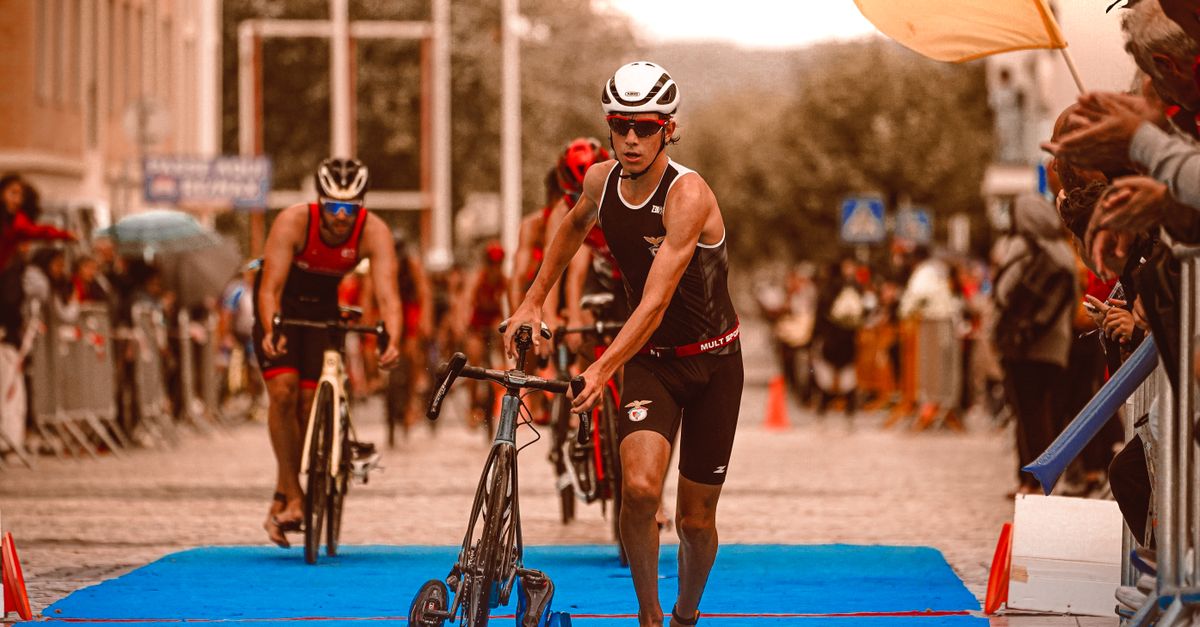
If the marathon is a disciplined rhythm, the Olympic triathlon is controlled chaos. Comprising a 1.5 km open-water swim, a 40 km draft-legal bike ride, and a 10 km run, this standard-distance event forces athletes to master three distinct disciplines while rapidly switching physical gears.
The race begins with an aggressive swim start where physical contact, positioning, and navigating currents determine who makes the decisive lead pack. Emerging from the water, athletes must instantly lower their elevated heart rates while sprinting through transition one (T1) to mount their bikes.
In the Olympic format, draft-legal cycling transforms the bike leg into a high-speed, tactical pack ride. It requires explosive surges out of sharp corners, exceptional bike handling skills, and relentless mental alertness. Finally, entering transition two (T2) demands that athletes sprint onto the run course on fatigued, heavy legs—a feeling familiar to anyone who has ever attempted a multi-sport workout.
While marathon runners optimize their bodies for one continuous, repetitive motion, triathletes must train diverse muscle groups, balancing swimming shoulder mobility, cycling power leverage, and running biomechanics.
Shared Battles: What Binds These Disciplines Together
Despite their structural differences, both sports share core physiological foundations that define world-class endurance athletes:
Aerobic Engine and Energy Efficiency
Both events demand an exceptional aerobic capacity built over years of high-volume work. Elite performers possess metabolic flexibility—the ability to efficiently burn fat at moderate intensities while saving carbohydrate stores for decisive breakaways and sprint finishes.
Heat Management and Hydration Strategy
Olympic summer conditions routinely test an athlete’s thermoregulatory system. Sweat rates can easily exceed two liters per hour, making individualized hydration plans and sodium replacement vital to preventing dramatic drops in performance.
Psychological Resilience
Whether enduring the solitary miles of a marathon or navigating the dynamic tactics of a pack in triathlon, competitors must cultivate intense mental strength. The ability to reframe physical pain, stay focused under extreme fatigue, and adapt to unforeseen race circumstances separates champion performers from the rest of the field.
Applying Olympic Principles to Your Own Training
You do not need to qualify for the national team to benefit from the wisdom behind Olympic training. Everyday runners, cyclists, and fitness enthusiasts can adopt these practical strategies to upgrade their own routines:
- Build Your Aerobic Base: Avoid the common mistake of training too hard on easy days. Allocate roughly 70 to 80 percent of your weekly training volume to comfortable, conversational effort levels. This builds mitochondrial density and aerobic endurance without risking injury.
- Train Your Fueling Strategy: Never try anything new on race day. Practice consuming energy gels, sports drinks, or chewables during long weekend sessions so your digestive system learns to process carbohydrates under mechanical stress.
- Incorporate Targeted Strength Work: Heavy resistance training and single-leg stability exercises strengthen tendons, improve running economy, and reduce fatigue-induced posture breakdown in late race stages.
- Treat Recovery as Training: Real physical progress happens during rest, not during the workout itself. Prioritize consistent sleep schedules, balanced protein intake, and mobility work to keep your body healthy and consistent over time.
Final Thoughts
The marathon and triathlon remain iconic fixtures of the Olympic movement because they reflect a universal human desire: the courage to line up, push past self-imposed limits, and discover what the body is truly capable of achieving. By understanding the unique demands of each event and applying structured, intelligent methods to your personal routine, you bring a piece of that spirit into every run, ride, and swim you take on.