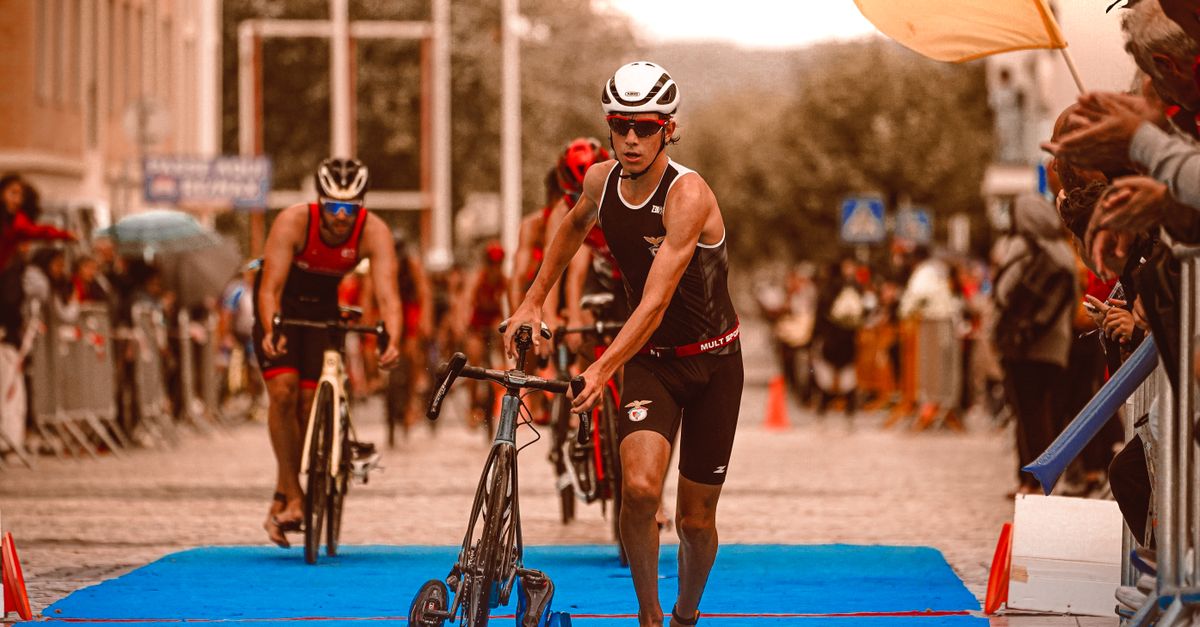
The Olympic Games showcase the absolute peak of human physical performance. While sprint events capture attention with explosive speed, long-distance events offer a different kind of drama. The Olympic marathon and the Olympic triathlon stand out as two of the most demanding events on the program.
Both races require world-class aerobic fitness, precise race execution, and incredible mental toughness. Yet, the physical tax each event extracts from endurance athletes comes down to distinct mechanical, metabolic, and tactical demands. Understanding these differences reveals what it truly takes to chase gold over long distances.
The Raw Demands of the Olympic Marathon
The marathon covers 42.195 kilometers on foot. In an Olympic setting, competitors run without pace setters, often on courses featuring sharp turns, steep gradients, and challenging weather conditions. Winning a medal requires high speed maintained over more than two hours of continuous pounding.
Metabolically, marathon runners operate near their lactate threshold for the entire race. The primary engine relies on aerobic metabolism, where slow-twitch muscle fibers use oxygen to break down carbohydrates and fats for fuel. Skeletal muscles require enormous amounts of oxygen during maximal exertion. To meet this demand, the heart pumps vast quantities of oxygenated blood every minute.
Fuel management determines success or failure. The body stores limited glycogen in the liver and muscles. At Olympic race pace, these carbohydrate stores deplete rapidly. If a runner exhausts their glycogen reserves, they hit the dreaded wall, forcing their body to rely primarily on fat breakdown. Because fat oxidation produces energy more slowly, pace drops dramatically. Successful runners train their bodies to burn fuel efficiently while consuming targeted carbohydrate gels during the race.
The mechanical toll is equally severe. Every step sends impact forces through the feet, ankles, shins, knees, and hips. Over thousands of foot strikes during a race, this impact causes micro-tears in muscle tissue, leading to structural fatigue long before the finish line comes into sight.
The Multi-Sport Puzzle of the Olympic Triathlon
The Olympic triathlon introduces a completely different physical challenge by combining three distinct disciplines into a single event: a 1.5-kilometer swim, a 40-kilometer cycle, and a 10-kilometer run.
Unlike long-distance commercial events like the Ironman, the Olympic race features draft-legal cycling. This rule change completely transforms the tactical nature of the sport. Athletes must stay tucked inside tight packs on the bike to save energy, making pack positioning and bike handling skills essential.
The physical transitions present unique physiological hurdles:
From Water to Wheel (T1)
The swim takes place in open water, requiring strong upper-body power, spatial awareness, and strategic positioning. Swimmers must move through waves, currents, and chaotic mass starts. Upon exiting the water, athletes sprint up the beach into the first transition area (T1). Blood must immediately shift from the arms and core down to the legs to power the pedals.
From Bike to Boot (T2)
After riding 40 kilometers at speeds often exceeding 40 kilometers per hour, triathletes jump off their bikes into the second transition (T2). Running immediately after intense cycling produces a heavy, disorienting sensation in the legs, often called brick legs. The nervous system must instantly adjust its firing patterns from the rotational motion of pedaling to the high-impact vertical motion of running.
Because the triathlon ends with a 10-kilometer run, the final leg turns into a flat-out footrace. Athletes must maintain elite running speeds despite two hours of prior accumulation of fatigue.
Training Engines: How Olympic Athletes Prepare
Preparing for these events requires structured, high-volume training blocks. Olympic training programs for both sports demand complete dedication, though the structure varies significantly between single-sport runners and multi-sport triathletes.
Marathon runners often cover 160 to 220 kilometers per week. Their routine includes long runs to build endurance, tempo runs near race pace, and interval sessions on the track to raise aerobic capacity. Strength training plays an important supporting role by fortifying connective tissue against repetitive impact injuries.
Triathletes must balance three sports without overtraining. A typical week includes multiple sessions of swimming, cycling, and running, often totaling 20 to 30 hours of exercise. Cycling forms the bulk of the volume because it builds massive aerobic capacity without the heavy impact forces of running.
For both groups of endurance athletes, physical adaptations include:
- Enhanced cardiac output, allowing the heart to pump more blood per beat.
- Increased capillary density around muscles, accelerating oxygen delivery.
- Higher mitochondrial density within muscle cells, expanding cellular energy production.
- Improved movement economy, reducing the oxygen cost of maintaining a specific pace.
Tactics, Pacing, and Environmental Factors
Tactics play a major role in Olympic competition. Unlike commercial races with clear pacing goals, Olympic races focus purely on finishing positions.
In the marathon, athletes must decide when to cover surges, when to shelter from the wind inside a group, and when to launch a decisive attack. Heat and humidity add another layer of difficulty. High temperatures force the body to divert blood to the skin for cooling, leaving less blood to carry oxygen to working muscles.
In the triathlon, tactical awareness is constant. A poor swim can drop an athlete into a chase pack on the bike, effectively ending their medal hopes before the run even begins. Draft-legal cycling demands quick reflexes, as sudden breakaways or crashes can reshape the race in seconds.
Lessons for Everyday Endurance Athletes
While few runners or triathletes will reach the Olympic podium, the principles used by elite competitors apply to athletes at every level.
First, build consistency over time. Cardiovascular adaptations accumulate over months and years of disciplined effort. Second, practice smart fueling. Learning how your stomach processes carbohydrates during long sessions prevents energy crashes. Finally, balance hard work with adequate recovery. Sleep, nutrition, and easy recovery days are just as important as hard workouts.
Whether tackling a single discipline or combining three, endurance sports test the harmony between mind and body. The marathon demands relentless focus and physical resilience against heavy impact, while the triathlon demands adaptability, technical skill, and smooth transitions across disciplines. Both showcase the extraordinary capabilities of the human spirit on the world's biggest athletic stage.