The Standard of Athletic Pacing: The Olympic Marathon
The marathon holds a unique position in Olympic history. Rooted in ancient Greek history, the classic distance of 42.195 kilometers represents the ultimate test of human running efficiency. In an Olympic marathon, elite runners do not simply aim to finish the distance. They run at speeds that seem unimaginable to casual joggers, maintaining paces under three minutes per kilometer for over two consecutive hours.
Physiologically, the Olympic marathon places massive demands on the cardiovascular system and skeletal muscles. Muscles must efficiently process oxygen during prolonged maximal effort. To sustain such high speeds over long distances, elite endurance athletes rely on high VO2 max levels, which measure the maximum amount of oxygen the body can use during intense exercise.
Fuel management is another central factor. The human body stores energy in the form of glycogen inside the muscles and liver. During a high-speed two-hour effort, those glycogen stores deplete rapidly. Marathon runners must train their bodies to burn fat alongside carbohydrates efficiently, preserving valuable glycogen for the final kilometers. Miscalculating pace or nutrition early in the race often leads to hitting the wall, where muscle performance drops drastically due to energy depletion.
High-Speed Multi-Sport Tactics: The Olympic Triathlon
While the marathon focuses purely on running economy, the Olympic triathlon introduces multi-disciplinary complexity. The standard Olympic distance consists of a 1.5-kilometer swim, a 40-kilometer cycle, and a 10-kilometer run. Unlike long-distance Ironman races that test slow-burn endurance over many hours, the Olympic version is an explosive, high-intensity battle from the opening horn.
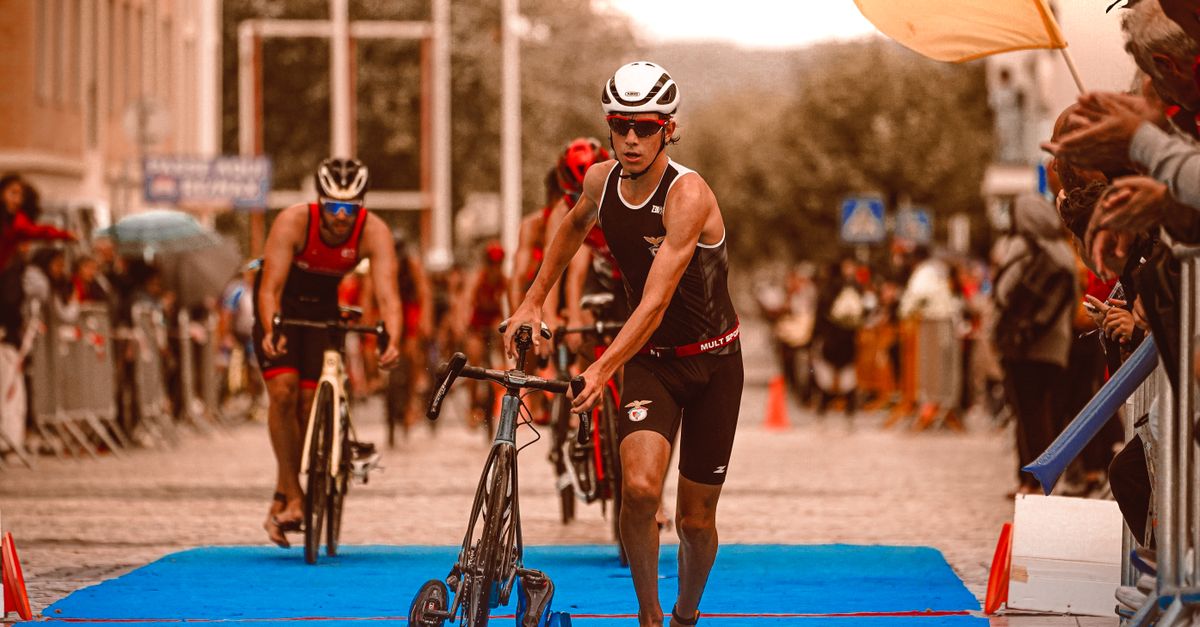
The race begins in open water, where swimmers fight for position in tight, chaotic packs. Swimming in open water requires strong upper body endurance and constant visual navigation. Once out of the water, athletes enter the first transition zone to switch from wet suits to cycling gear within seconds.
On the bike leg, draft-legal rules allow athletes to ride in dense packs, saving energy behind other cyclists. This tactical element turns the 40-kilometer bike ride into a fast-paced strategic battle at speeds exceeding 40 kilometers per hour. Competitors must watch for breakaways, handle tight cornering, and manage subtle changes in pace without exhausting their legs.
The final transition leads directly into the 10-kilometer run, which usually determines the Olympic medalists. Shifting immediately from heavy cycling to fast running forces the body to cope with sudden muscular confusion. The leg muscles must quickly adapt to a completely different movement pattern while running at near-sprint paces under intense fatigue.
Inside Olympic Training Strategies
Reaching the start line of an Olympic endurance event requires years of structured, high-volume preparation. Effective Olympic training programs focus on building a deep aerobic base through hundreds of weekly training kilometers. Runners might cover up to 200 kilometers a week on foot, while triathletes split their time across three disciplines, spending dozens of hours each week in the pool, on the bike, and on the track.
A central goal of this preparation involves raising the lactate threshold. This physiological benchmark represents the exercise intensity at which lactic acid accumulates in the bloodstream faster than the body can clear it. By spending hours completing tempo runs, interval sessions, and threshold bike rides, athletes condition their bodies to process lactate efficiently. This adaptation allows them to race faster for longer periods without suffering sudden muscle failure.
Nutrition and recovery play equally important roles in building elite performance. World-class athletes monitor their daily caloric intake, ensuring they consume enough carbohydrates to support high training loads and adequate protein to repair damaged muscle fibers. Sleep, physical therapy, and careful workload management prevent chronic overtraining and stress injuries.
Mental Fortitude and Race Execution
Beyond physiological metrics like heart rate zones and oxygen uptake, success in these events comes down to mental control. Racing in difficult conditions, such as high heat and humidity often seen at summer Olympic venues, demands complete concentration.
In a marathon, runners must control their early enthusiasm. Running just a few seconds per kilometer too fast in the first half of the race can cause catastrophic muscle fatigue later. In contrast, triathletes must remain constantly alert to sudden tactical surges, group breaks, and fast transitions.
Both disciplines test the absolute limits of human effort. Whether running through historic city streets or battling through chaotic open-water swims, elite athletes demonstrate what happens when disciplined training meets human potential. Understanding these physical demands gives fans a deeper appreciation for every runner and triathlete pushing toward the Olympic finish line.