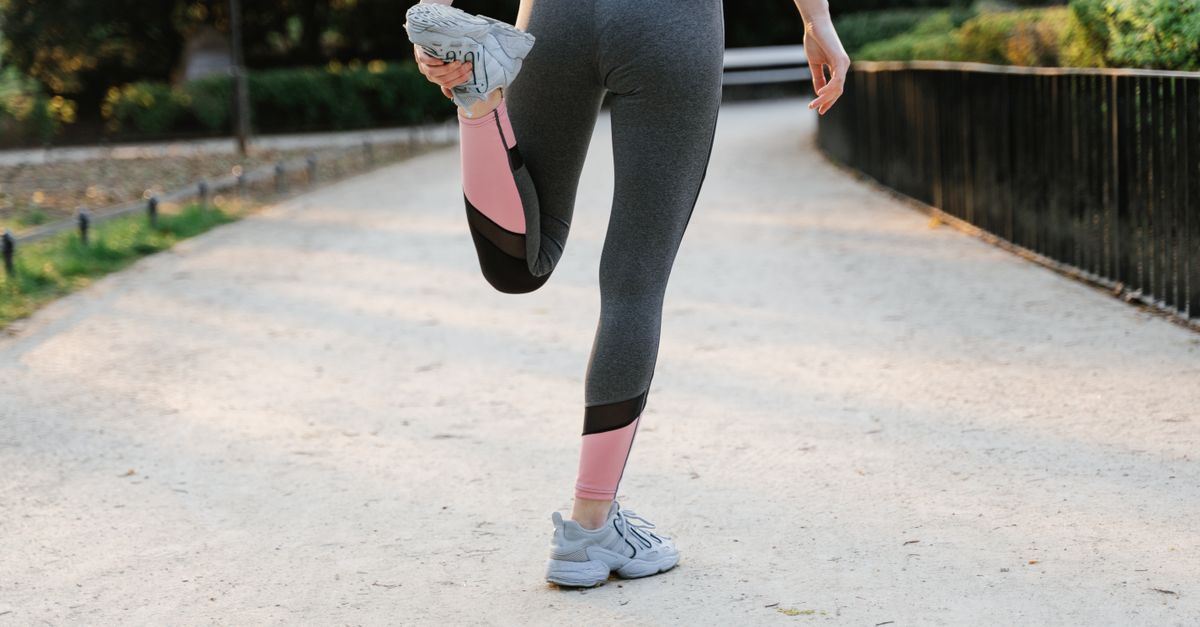
Every athlete knows the unique frustration of an unexpected setback. Whether you are training for your first 5K, logging weekend cycling miles, or preparing for track and field events, physical health determines your long-term success. Understanding how to protect your body transforms your daily routine. Effective sports injury prevention relies on listening to physical signals and respecting recovery time.
Understanding the Risks
Sports participation brings great physical rewards, but it also creates specific vulnerabilities. When you repeat the same movement patterns thousands of times, small imbalances compound over time.
Overuse Problems
Running injuries frequently stem from rapid increases in weekly mileage or sudden changes in intensity. Bone tissue adapts slowly to repeated impact from running or jumping. When loading exceeds the natural repair cycle, microscopic damage accumulates. This process often leads to a stress fracture, which is a hairline crack in the bone that requires complete rest to heal properly.
Common Joint and Muscle Troubles
Lower leg discomfort remains a frequent complaint among runners and track athletes. Shin splints cause persistent aching along the inner edge of the shin bone, usually triggered by worn-out shoes or hard training surfaces. Knee pain also affects many participants. Patellofemoral discomfort, often called runner's knee, develops when the kneecap tracks improperly against the thigh bone during repetitive bending.
Acute incidents happen differently. A sprained ankle occurs suddenly during a misstep, a sharp cut in team sports, or an awkward landing. Contact sports and sports involving rapid pivoting can also damage the meniscus, which is the shock-absorbing cartilage inside the knee joint.
Practical Prevention Strategies
Avoiding physical setbacks does not require complicated protocols. Simple, consistent habits protect your muscles and joints from harm.
Gradual Progression
The golden rule of physical conditioning is patience. Increase your training volume by no more than ten percent each week. This conservative approach allows tendons, ligaments, and bones to adapt safely to new demands. If you feel persistent pain during a workout, stop immediately and assess the area.
Footwear and Equipment
Your gear plays a major role in protection. Replace running shoes every 600 to 800 kilometers because compressed midsoles lose their ability to absorb impact. Research shows that wearing neutral running shoes is completely fine for most athletes, provided the fit matches your foot shape. Avoid sticking with rigid footwear if your feet require more flexibility or support.
Strength and Mobility
Running and cycling demand strong supporting muscles. Incorporate bodyweight exercises like squats, lunges, and calf raises into your weekly routine. Strong hips and glutes stabilize your entire lower body, which reduces strain on your knees and lower back. Add dynamic warm-ups before every session to prepare your joints for movement, and save static stretching for your cool-down period.
Listening to Your Body
Rest is not a sign of weakness. It is a biological requirement for growth. Schedule at least one complete rest day each week, and prioritize quality sleep to repair micro-tears in muscle fibers. Nutrition and hydration also fuel tissue repair and maintain joint lubrication.
By treating recovery with the same dedication you bring to your workouts, you protect your long-term athletic journey. Stay smart, train consistently, and enjoy every kilometer ahead.