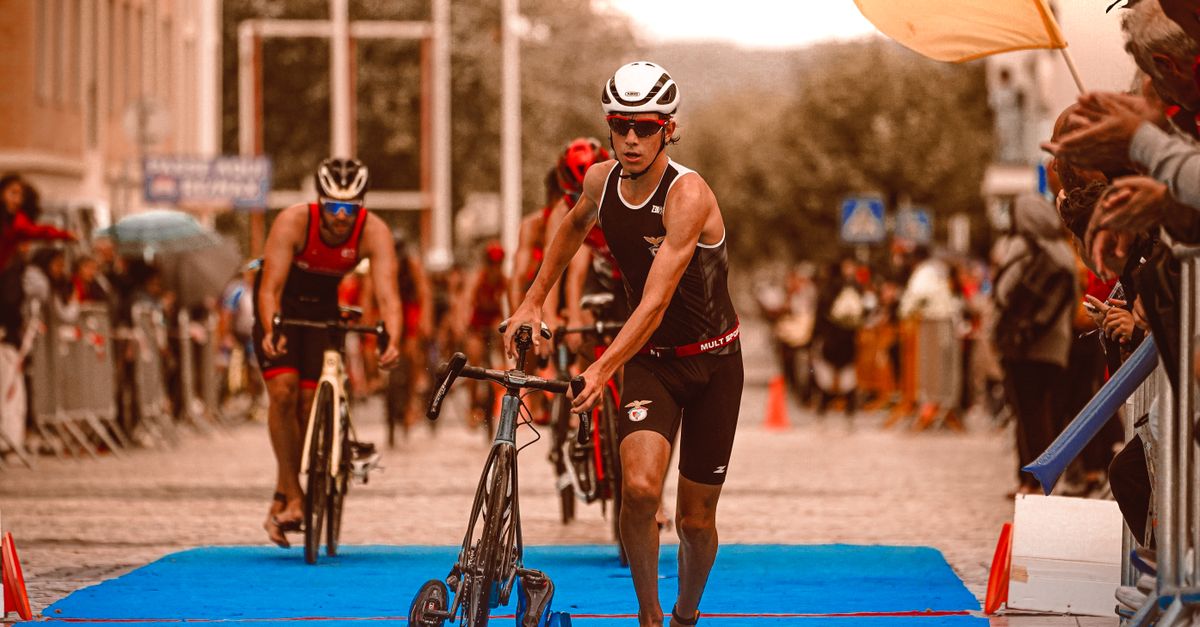
Endurance sports capture the imagination of fans around the world every four years. When we watch the best athletes in the world race through city streets or transition between swimming pools and cycling routes, we see the ultimate expression of human capability. For runners, swimmers, and cyclists, reaching this level takes years of dedicated work. Understanding what these events demand helps us appreciate the scale of the achievement.
The Unique Challenge of the Olympic Marathon
Distance and Physiology
The Olympic marathon covers 42.195 kilometers of tarmac. This distance tests the absolute limits of human metabolism and muscular endurance. Elite runners operate near their lactate threshold for over two hours. Their bodies must deliver oxygen to working skeletal muscles at rates up to ten times resting levels. Every stride is an exercise in efficiency. Runners need strong core stability, powerful leg muscles, and an optimal running economy to maintain pace without burning through glycogen reserves too quickly.
Tactics and Environment
Unlike time trials, the Olympic marathon is a tactical race. Athletes must respond to surges, monitor hydration, and manage body temperature in changing weather conditions. Winning requires patience. The real race usually starts after the 30-kilometer mark, when fatigue peaks and mental resolve takes over.
The Multidisciplinary Test of the Olympic Triathlon
The Three Disciplines
The Olympic triathlon combines three distinct sports into a single continuous effort. Athletes start with a 1.5-kilometer open water swim, transition to a 40-kilometer cycle, and finish with a 10-kilometer run. This format demands a different physical profile than traditional running events. Triathletes must transition quickly from a horizontal swimming position to an upright cycling posture, and finally to a high-speed running gait.
Transition and Strategy
Transitions matter just as much as raw speed. Gaining seconds in the transition zone can mean the difference between making the lead pack on the bike and chasing from behind. Cycling in a pack requires technical skill and constant vigilance. Drafting saves energy, but it also creates high-risk situations on tight corners and wet roads. Once athletes step off the bike, their legs feel heavy and unresponsive. Overcoming this sensation during the final run requires specific brick training sessions that combine cycling and running back to back.
Preparing for Extreme Endurance
The Blueprint of Olympic Training
Preparing for an Olympic marathon or triathlon takes a massive commitment. Training schedules often exceed one hundred kilometers of running per week, combined with hours in the pool and on the bike. Cardiovascular conditioning is only part of the equation. Strength training protects joints and tendons from the repetitive impact of running and cycling. Recovery protocols, including proper sleep and nutrition, allow athletes to absorb heavy training blocks without breaking down.
Mental Resilience
Physical preparation gets an athlete to the starting line, but mental toughness gets them to the finish line. Endurance athletes spend countless hours alone with their thoughts during long training sessions. They learn to accept discomfort and push past perceived limits. This mental fortitude shines brightest during the closing stages of an Olympic race when every muscle screams for relief.
Inspiration for Everyday Fitness
You do not need to race at the Olympic level to apply these lessons to your own routine. Weekend runners, cyclists, and swimmers can improve their performance by focusing on the fundamentals. Consistency matters more than occasional heroics. Proper nutrition, gradual mileage increases, and adequate rest prevent injuries and build sustainable fitness.
Whether you are training for your first local 5k or tackling a long-distance triathlon, the core principles remain the same. Respect the distance, listen to your body, and enjoy the journey of self-improvement. The endurance community welcomes athletes of all abilities who share a passion for moving forward, one step, stroke, or pedal revolution at a time.