For readers of Runley Magazine tracking the pinnacle of athletics and the upcoming Olympic Games, understanding these legendary events offers a fresh perspective on human potential. When we watch the best runners and triathletes compete on the world stage, we witness years of dedicated preparation, physiological adaptation, and mental resilience. Both events belong to the core of Olympic endurance competition, yet they require vastly different physical skill sets and strategies.
The Physiology of Long-Distance Running
The marathon stands as one of the oldest and most revered traditions in track and field, known in Greek as the stivos. Covering 42.195 kilometers on city streets, it demands exceptional cardiovascular capacity and muscular endurance.
Meeting Oxygen Demands
During an Olympic marathon, skeletal muscle function is necessary for endurance athletes to meet oxygen demands at maximal exercise. Runners must sustain a high percentage of their maximum oxygen uptake for over two hours. Their bodies must process and deliver oxygen efficiently while managing metabolic byproducts. Every stride involves managing impact forces that multiply body weight with each footstrike, requiring immense structural integrity in the bones, tendons, and joints.
Fueling the Engine
Runners must also master the delicate science of race nutrition. Glycogen stores in the liver and muscles provide the primary energy source. Because the body can only store a finite amount of carbohydrates, athletes practice carbohydrate loading before the race and consume precise amounts of gels and fluids while running. Hitting the wall, a sudden depletion of glycogen, remains a constant threat that separates the gold medal contenders from the rest of the pack.
The Multi-Sport Challenge of Triathlon
While the marathon tests running endurance, the Olympic triathlon adds swimming and cycling to the mix, creating a dynamic and unpredictable race format.
The Transition from Water to Land
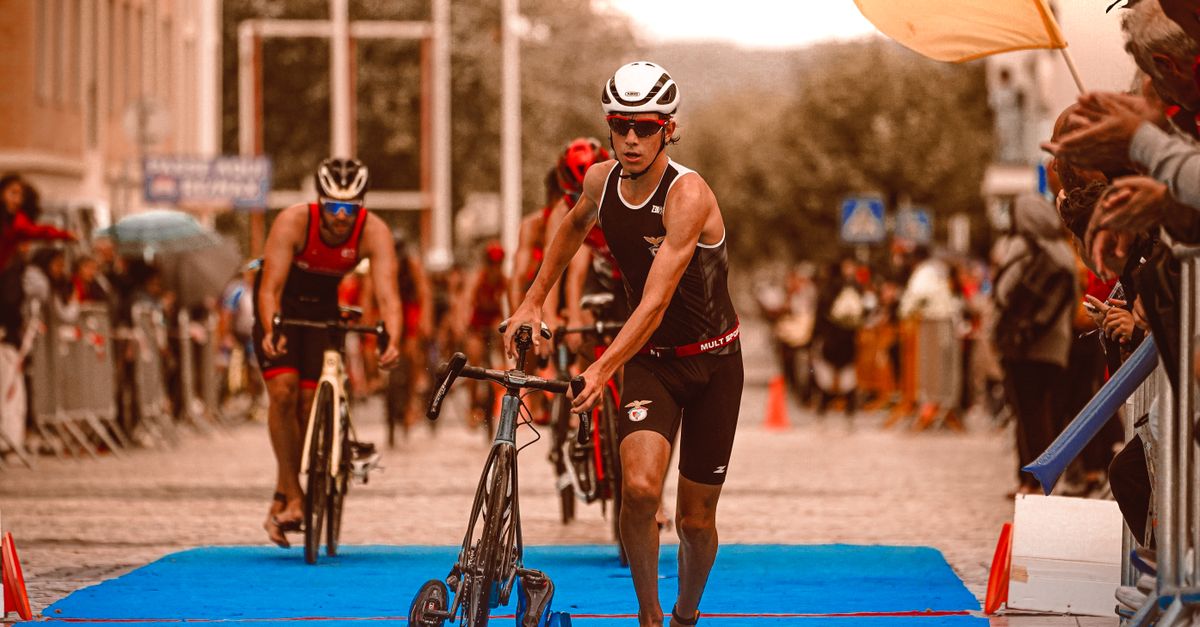
An Olympic triathlon begins with a 1.5-kilometer open water swim, usually in a lake, river, or ocean. Swimmers face chaotic pack conditions, currents, and choppy water while sighting buoys without lane lines. Exiting the water, athletes rush to the transition area to mount their road bikes for a 40-kilometer cycling leg. Cycling requires high leg turnover and aerodynamic efficiency, often performed in a peloton where drafting plays a tactical role. Finally, competitors lace up their running shoes for a standard 10-kilometer run to the finish line.
The Brick Effect
Training for a triathlon involves managing three distinct disciplines within a single training week. Athletes often perform brick workouts, such as cycling immediately followed by running, to train their nervous systems for the heavy, wooden feeling in their legs when transitioning from the bike to the run. This versatility makes the Olympic triathlon a fascinating study in sports science.
Preparing for the Ultimate Test
Reaching the starting line of an endurance event of this magnitude requires years of structured Olympic training. Coaches design programs that balance high mileage, interval sessions, strength work, and adequate recovery.
Building Aerobic Bases
Building a massive aerobic base takes months of consistent, low-intensity training. This foundational work stimulates capillary growth, increases mitochondrial density, and teaches the body to burn fat efficiently as a fuel source. Speed work and threshold intervals follow, pushing the body to tolerate discomfort and clear lactic acid faster.
The Mental Component
Physical preparation is only half the battle. Both marathoners and triathletes face severe pain caves during competition. Mental toughness allows athletes to push past fatigue, manage pacing errors, and stay focused when their bodies scream to stop. Visualization techniques, positive internal dialogue, and breaking the race down into smaller, manageable segments help competitors stay calm under pressure.
Endurance racing continues to captivate fans across Greece and the globe because it strips sport down to its purest form. Whether watching a runner break away on the final hill of a marathon or seeing a triathlete surge across the finish tape, we see the remarkable capacity of the human spirit.