Two Icons of the Summer Games
The Summer Games showcase human performance at its physical limits. Among all the events on the program, two stand out for their pure strain on the human body: the Olympic marathon and the Olympic triathlon. While both races reward extraordinary stamina, they ask very different things from the bodies and minds of competitors.
The Olympic marathon is steeped in history. Running 42.195 kilometers across grueling pavement requires relentless rhythm, precise pacing, and deep mental focus. Elite runners maintain a blistering pace for over two hours, pushing their hearts and legs to the limit without a single second of rest.
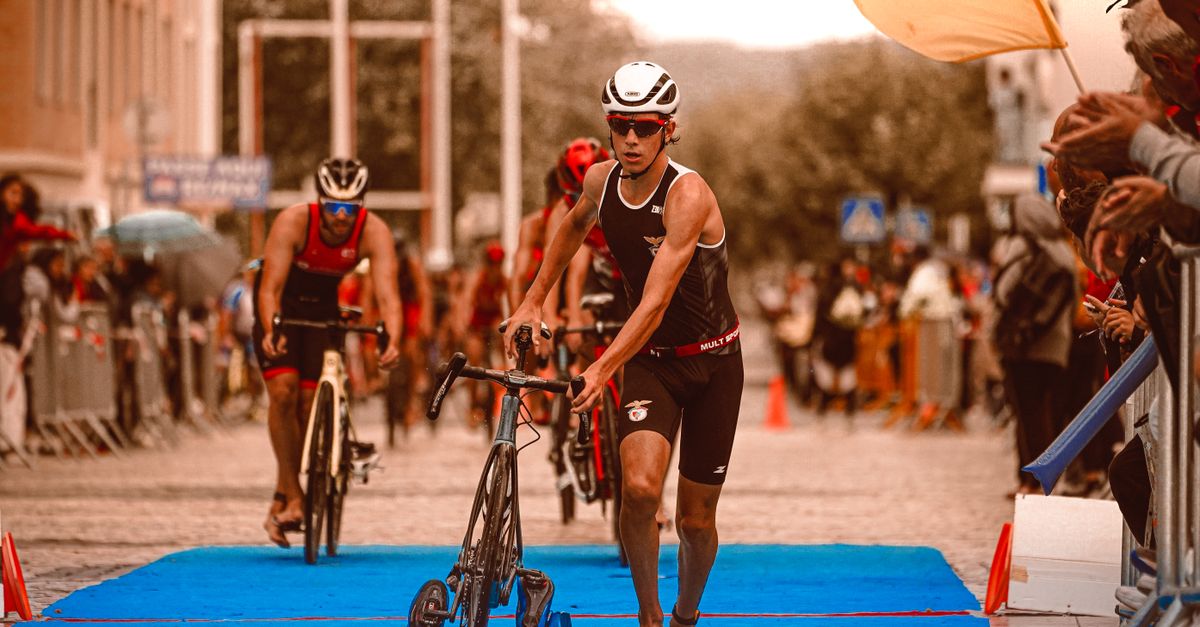
The Olympic triathlon brings a modern, multi-discipline challenge to the Games. Established as a medal event in 2000, it combines a 1.5-kilometer open-water swim, a 40-kilometer cycle ride, and a 10-kilometer run. Unlike long-distance Ironman races, the Olympic triathlon allows drafting on the bike segment. This rule creates a fast, aggressive race where tactical positioning is just as important as physical power.
Physiological Demands: Muscle, Oxygen, and Fuel
Both events place extreme stress on the cardiovascular system. Top endurance athletes possess huge aerobic engines, allowing their hearts to pump maximum oxygenated blood to working muscles. Skeletal muscle adaptations are key here. Long-distance running and multi-sport racing force muscles to build high densities of mitochondria and capillaries. This microscopic network delivers oxygen efficiently, delaying fatigue during hours of continuous effort.
Fuel management separates great contenders from those who suffer mid-race collapse. The human body stores a limited amount of glycogen in the liver and muscles. In an Olympic marathon, runners rely heavily on carbohydrate stores, taking in small energy gels on the move to prevent hitting the wall. The elite runner must remain relaxed and aerodynamic while burning energy at an incredible rate.
Triathletes face a unique physiological hurdle called neuromuscular fatigue. Swimming hard demands immense upper body output and elevated heart rates from the start. Transitioning from the water to the bicycle forces a sudden change in posture and blood flow. The final shift from cycling to running is notoriously difficult. The legs feel heavy, like lead, because muscles must instantly switch from a pedaling motion to high-impact stride mechanics.
Olympic Training: How Champions Are Built
Preparing for these events demands structured, year-round commitment. Elite Olympic training routines look quite different depending on whether an athlete targets one discipline or three.
Marathon training focuses on high running volume and movement economy. Elite marathoners often log between 160 and 220 kilometers a week. Their schedules feature long runs to build structural durability, threshold sessions to increase speed at sustainable heart rates, and active recovery runs to promote healing. Every stride aims to make the runner more fuel-efficient over 42 kilometers.
In contrast, Olympic triathlon preparation requires balancing three distinct sports without breaking the body down. Triathletes cannot simply run 150 kilometers a week because they also need to swim up to 20 kilometers and cycle hundreds more. Their schedules rely on cross-training benefits. A hard cycling session boosts cardiovascular endurance without the joint impact of running. Triathletes also practice brick workouts, where they ride hard and immediately run off the bike. This training teaches the nervous system to handle the uncomfortable transition between cycling and running under race conditions.
Tactics, Heat, and Mental Toughness
Physical fitness alone does not guarantee a medal. Tactical awareness often determines who stands on the podium.
In the Olympic marathon, pacing is everything. Pushing too hard in the early kilometers usually leads to severe slowing in the final quarter of the race. Runners must constantly adjust to changes in elevation, humidity, and wind, while keeping a close eye on tactical breakaways from rivals.
The Olympic triathlon is even more chaotic. A weak swim can instantly ruin a medal chance if an athlete misses the lead bike pack. Once on the bike, athletes ride wheel-to-wheel in large groups at high speeds. Draft-legal riding requires sharp bike handling skills and constant vigilance. A split-second delay in reacting to a breakaway can cost precious seconds that are impossible to recover during the final run.
Heat management is another critical factor for both events. Summer Olympic host cities often present hot, humid conditions. Athletes spend weeks heat-acclimating, practicing fluid intake strategies, and using cooling vests before the start gun fires to keep their core temperature down.
Key Takeaways for Everyday Athletes
You do not need an Olympic pass to learn from these elite competitors. Whether you are aiming for your first 10k, a local marathon, or a sprint triathlon, the principles remain the same.
First, prioritize consistency over intensity. Endurance builds slowly over months and years. Second, pay attention to recovery and fueling. Muscles adapt when you rest, not when you train. Finally, include cross-training in your routine. Cycling or swimming can boost your heart and lungs while giving your running joints a well-deserved break.
By understanding what these supreme events demand, amateur runners and triathletes can plan smarter, race wiser, and appreciate the extraordinary feats seen on the Olympic stage.