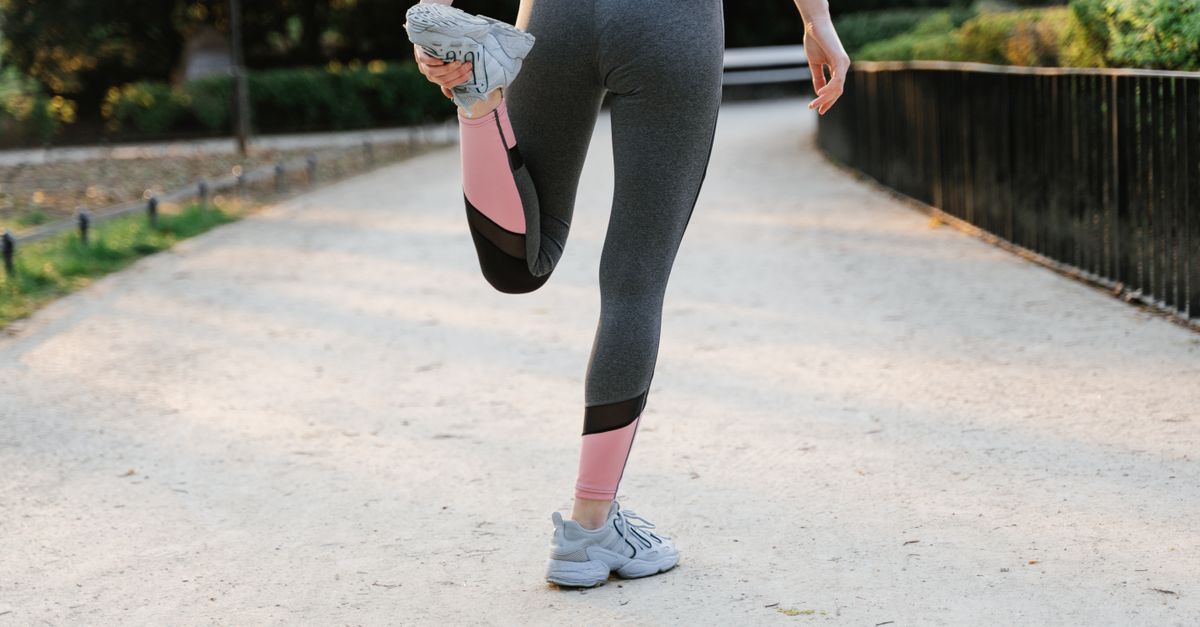
Every runner and multisport athlete knows the sharp pinch of an overuse injury. Whether you are logging miles for your first marathon or building a baseline of physical fitness, your body takes a beating. The constant pounding of pavement, the rotational strain of track and field events, and the repetitive motions of cycling and swimming demand respect. True athletic longevity comes from proactive care rather than treating problems after they strike.
Understanding the Mechanics
Sports injury prevention starts with a clear understanding of how your body handles stress. Physical fitness not only builds strength and endurance, but it also creates a resilient framework that helps prevent ill health and assists recovery from injury or illness. When you train, you break down muscle fibers and connective tissue. Growth happens during the rest periods that follow.
Many athletes make the mistake of increasing training volume too quickly. Tendons, ligaments, and bones adapt much slower to stress than muscles do. A sudden jump in weekly mileage or swimming intensity overloads these structures. Pacing your progression gives your connective tissues time to strengthen.
The Truth About Running Gear
Runners spend hours debating the best footwear. For years, experts pushed specific stability shoes to correct overpronation. Extensive research tells a different story. Studies show that wearing neutral shoes is not associated with increased injury rates for the vast majority of runners.
Focus on comfort and proper fit rather than trying to fix your natural stride with rigid corrective technology. Your feet know what feels right. If a shoe feels comfortable from the first step, it usually works. Replace your running shoes every few hundred miles before the midsole foam loses its shock-absorbing capacity.
Managing Common Overuse Problems
Shin Splints
Pain along the inner edge of your shin bone plagues beginners and veterans alike. Shin splints develop when the muscles and bone tissue along your lower leg absorb too much impact too fast. Hard concrete surfaces, worn-out shoes, and sudden spikes in intensity are the usual culprits. Rest, ice, and a temporary reduction in mileage usually resolve the issue. Always allow adequate healing time before returning to high-impact workouts.
Runner's Knee
Patellofemoral pain syndrome, commonly known as runner's knee, causes an aching discomfort around or behind the kneecap. It flares up during descents, squatting, or after prolonged sitting. Weak hips and quadriceps often contribute to poor tracking of the kneecap. Strengthening your glutes and core protects your knees from absorbing uneven forces during every stride.
Other Structural Strain
While lower leg issues dominate running discussions, other sports carry their own risks. Cyclists often battle lower back pain, swimmers feel shoulder impingement, and field athletes deal with meniscus tears and related ligament strains. Cross-training helps balance these repetitive stresses. Combining strength work with cardiovascular training builds a well-rounded body that resists localized breakdown.
Practical Steps for Everyday Protection
Prioritize Rest and Sleep
Sleep is the ultimate recovery tool. During deep sleep, your body releases growth hormones that repair damaged tissues and rebuild muscle fibers. Skimping on rest leaves you vulnerable to chronic fatigue and sudden strains.
Listen to Early Warning Signs
Discomfort is a normal part of training adaptation, but sharp pain is a warning. Do not ignore a niggle in your knee or an ache in your arch hoping it will disappear. Take a couple of easy days or a full rest day at the first sign of persistent trouble.
Include Strength Work
Running and endurance sports require strong supporting muscles. Dedicate two short sessions each week to bodyweight exercises, resistance bands, or lifting weights. Focus on your core, glutes, calves, and hamstrings. A strong runner moves with better efficiency and absorbs impact with greater ease.
Injury prevention requires patience and self-awareness. Listen to your body, respect the process of recovery, and enjoy the journey of lifelong movement.