The Physics and Physiology of Pure Running: The Olympic Marathon
The Olympic marathon represents one of the oldest and most grueling events in track and field history. Covering 42.195 kilometers on open roads, elite runners push human performance to its absolute limits. To succeed on the Olympic stage, endurance athletes must develop a massive aerobic engine capable of processing immense amounts of oxygen for over two hours.
At maximal exercise intensities, skeletal muscle requires an extraordinary supply of oxygen to keep producing energy. Over years of high-volume running, an athlete's heart grows stronger, pumping more blood per beat, while dense networks of microscopic blood vessels form inside slow-twitch muscle fibers. These biological adaptations allow runners to sustain a blistering pace near their aerobic threshold without accumulating excess lactic acid.
Fuel management is equally important during the race. Human muscles store carbohydrate reserves in the form of glycogen, but these stores generally empty after 90 to 120 minutes of hard effort. When glycogen drops, runners hit a sharp physical wall. Success in the Olympic marathon depends heavily on teaching the body to burn fat efficiently at high speeds, preserving precious glycogen for the final push toward the stadium finish line.
Multi-Discipline Mastery: The Olympic Triathlon
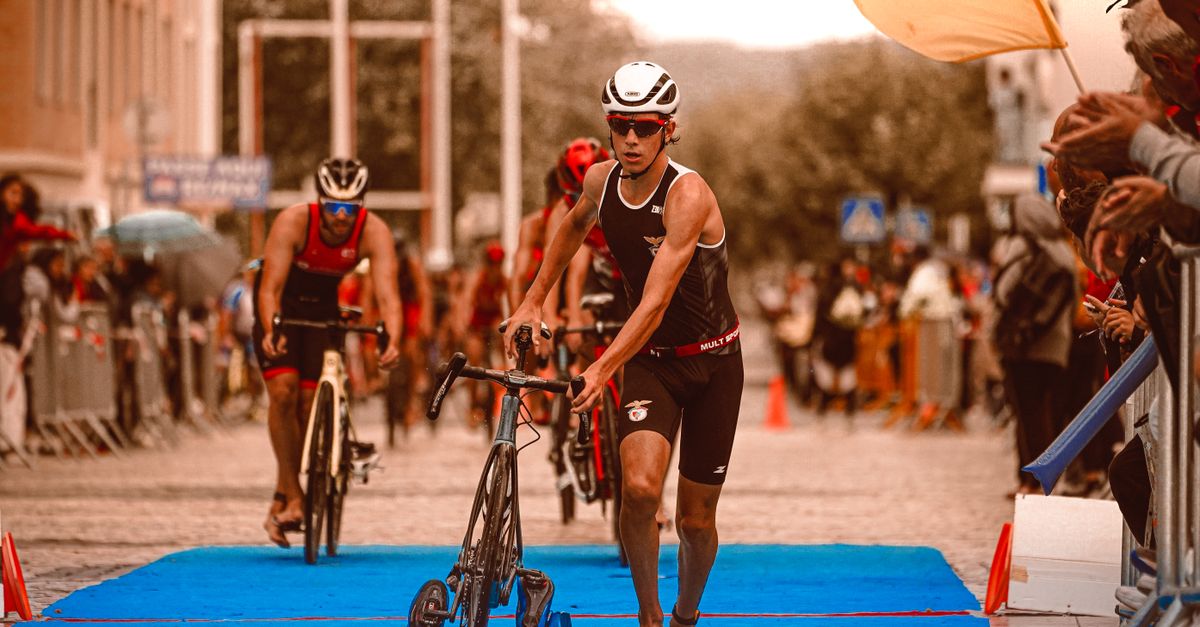
While marathoners specialize in a single movement pattern, competitors in the Olympic triathlon must master three distinct sports in a single morning. The Olympic-distance triathlon combines a 1.5-kilometer open-water swim, a 40-kilometer bicycle race, and a 10-kilometer run. Each leg presents unique physiological challenges and demands rapid tactical adjustments.
The race begins with an aggressive open-water swim, where athletes contend with waves, currents, and dense packs of competitors. Upper-body strength and tactical positioning determine who emerges near the front of the pack. Transitioning directly from the swim to the bike demands an immediate shift in body orientation and blood circulation. Blood must move quickly from the shoulders and back down into the quadriceps and hamstrings.
On the bike, aerodynamics and tactical awareness take center stage. Olympic triathlon features draft-legal cycling, meaning athletes can ride in tight packs to save energy, much like professional road cyclists. However, keeping up with rapid surges in pace requires sharp explosive power alongside baseline stamina.
The final leg, the 10-kilometer run, is often where medals are decided. Running immediately after intense cycling forces legs to handle severe fatigue and heavy muscle tightness. Competitors call this initial adjustment "running on lead legs." Athletes who train their bodies to settle into a fluid running stride within the first kilometer usually claim the podium.
Fueling, Heat, and Mental Toughness
Both the Olympic marathon and Olympic triathlon test human resilience in harsh summer climates. Host cities often present high heat and elevated humidity, which elevate core body temperature and accelerate dehydration.
When body temperature rises, the heart must work harder, pumping blood to the skin for cooling while continuing to supply working muscles. Sweat losses can lead to cramping, reduced aerobic capacity, and severe physical distress. Successful athletes implement strict hydration routines, consuming fluid and electrolytes at designated stations along the course.
Mental endurance is just as decisive as physiological preparation. When deep fatigue sets in, the brain naturally signals the body to slow down to protect itself. Elite performers use mental strategies like positive self-talk, segmented goal-setting, and focused breathing to push through severe physical discomfort.
Building an Elite Engine: Inside Olympic Training
Reaching the peak of endurance sport requires a calculated, long-term commitment. Elite Olympic training programs combine high physical volume with deliberate recovery. Marathon runners routinely log between 160 and 220 kilometers per week, balancing easy recovery runs with intense track workouts, tempo runs, and long runs that build stamina.
Triathletes maintain equally staggering schedules, balancing 20 to 30 hours of swim, bike, and run training each week. Their routines include complex brick workouts (back-to-back cycling and running sessions) designed to prepare the nervous system for race-day transitions.
Modern endurance preparation relies heavily on sports science. Athletes monitor heart rate variability, lactic acid buildup, and sleep quality to avoid overtraining and injury. Strength work in the gym strengthens tendons and joints, protecting runners and triathletes from the repetitive stress of thousands of foot strikes.
Standing on the World Stage
The Olympic marathon and Olympic triathlon capture the true spirit of long-distance competition. Whether fighting for position in an open-water swim or pushing the pace along city avenues, these athletes demonstrate the extraordinary potential of human endurance.
For spectators watching from Greece and across the world, these events offer a front-row seat to pure athletic determination. Every stride, pedal stroke, and arm pull reflects thousands of hours of quiet discipline, proving that the human body can overcome extraordinary challenges when pushed to its limits.