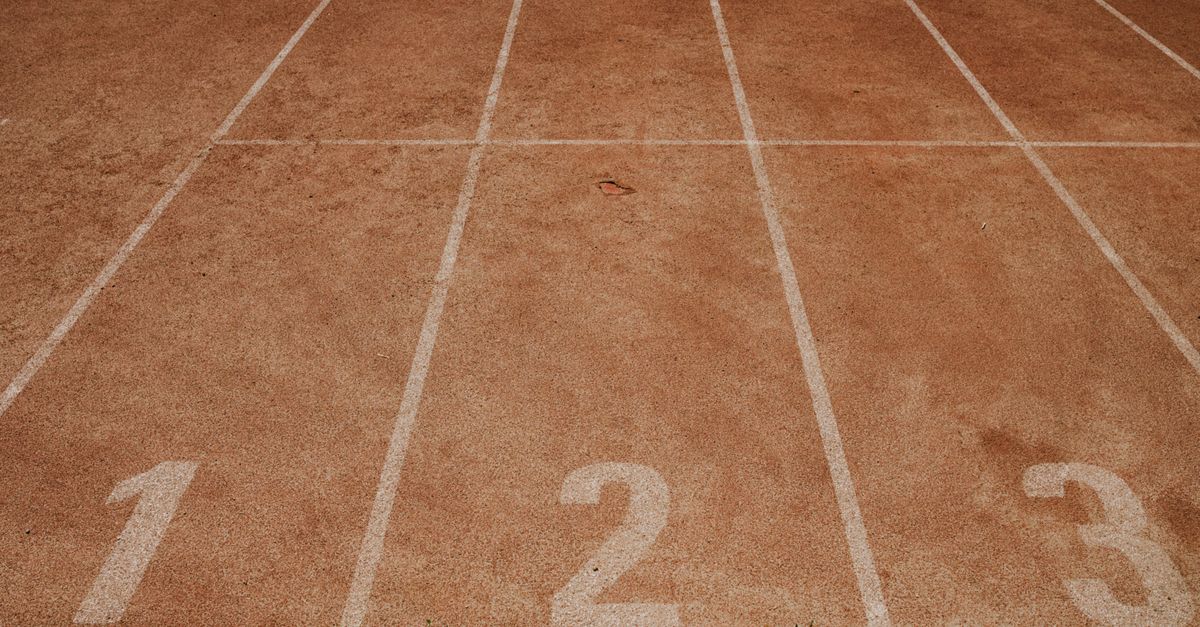
The modern Olympic Games stand as the pinnacle of human athletic achievement. Every four years, runners, swimmers, cyclists, and track and field athletes gather to test their limits. Beyond the medals and world records, this event represents a massive cultural and logistical undertaking. Understanding the roots, principles, and inner mechanics of the Games helps us appreciate why they still capture the global imagination.
A Brief History of the Modern Olympics
The journey of the modern Olympics began in the late nineteenth century. Pierre de Coubertin, a French historian and educator, wanted to revive the spirit of the ancient Greek competitions. His vision centered on international peace and education through sport. This led to the founding of the International Olympic Committee in 1894.
The first modern event took place in Athens in 1896, bringing athletes from around the world back to the birthplace of the ancient tradition. Since then, the Games have evolved immensely. They weathered historical challenges, political boycotts, and world wars. Despite these pressures, the movement expanded to include the Winter Games, the Paralympic Games, and youth events.
As sports historians note, the evolution of the event reflects changing global politics and media landscapes. Events like the 1936 Berlin Olympics showed how political forces tried to influence the stadium, while later decades proved that sport could also serve as a platform for equality and human rights. Today, the movement continues to defend its core identity against commercial pressures and alternative concepts. Leaders in global athletics reject commercialized events that abandon drug testing, insisting that clean competition remains non-negotiable.
The Core Values of the Olympic Movement
At the heart of every race, lap, and jump lie the foundational Olympic values. These principles guide athletes, coaches, and organizers alike.
Excellence, Friendship, and Respect
Excellence means doing your best on the track, in the pool, or on the bike, rather than simply winning. It encourages continuous personal growth and dedication to training. Friendship fosters a spirit of solidarity and mutual understanding among competitors from hostile or friendly nations alike. Respect demands fair play, adherence to rules, and the acknowledgment of the physical limits and dignity of fellow competitors.
Promoting Health and Global Unity
The Olympic philosophy connects physical fitness with mental well-being and moral strength. Sport acts as a universal language. When athletes from two hundred nations live together in the Olympic Village, national divides fade. Spectators witness firsthand how shared struggle and mutual respect transcend political borders. This cultural exchange remains one of the most enduring contributions of the Games to global society.
How the Olympic Games Work
Behind the two weeks of competition lies a complex operational machine. Planning begins years in advance and involves multiple international organizations.
The Role of the International Olympic Committee
The International Olympic Committee acts as the governing body of the entire movement. Headquartered in Switzerland, this non-governmental organization owns all rights to the symbols, flags, and broadcast properties. The committee selects host cities, distributes revenue to national sports federations, and enforces the global anti-doping code.
Selection and Preparation of Host Cities
Cities bid for the right to host the event decades or years ahead of time. Winning the bid initiates a massive construction and organizational effort. Host cities must build or upgrade venues for swimming, cycling, track and field, and other disciplines. They must also plan transport networks, security, and accommodation for thousands of visitors.
Qualification and Fair Competition
Athletes do not simply show up because they want to participate. Every sport has strict qualification standards managed by its specific international governing body. Runners must meet specific time trials, swimmers must hit qualifying marks, and cyclists must earn ranking points through international circuits. This system ensures that only the top competitors reach the global stage.
Once the opening ceremony concludes, the focus shifts entirely to fair play. Strict anti-doping controls protect the integrity of every result. Judges, referees, and timekeepers ensure that rules apply equally to every participant.
The modern Olympic Games require immense collaboration between athletes, nations, and sports administrators. They endure because they offer a unique stage for human potential. Whether you train for a local marathon, swim laps at your community pool, or simply love watching world class track and field events on television, the Olympic spirit reminds us what happens when people strive together for greatness.